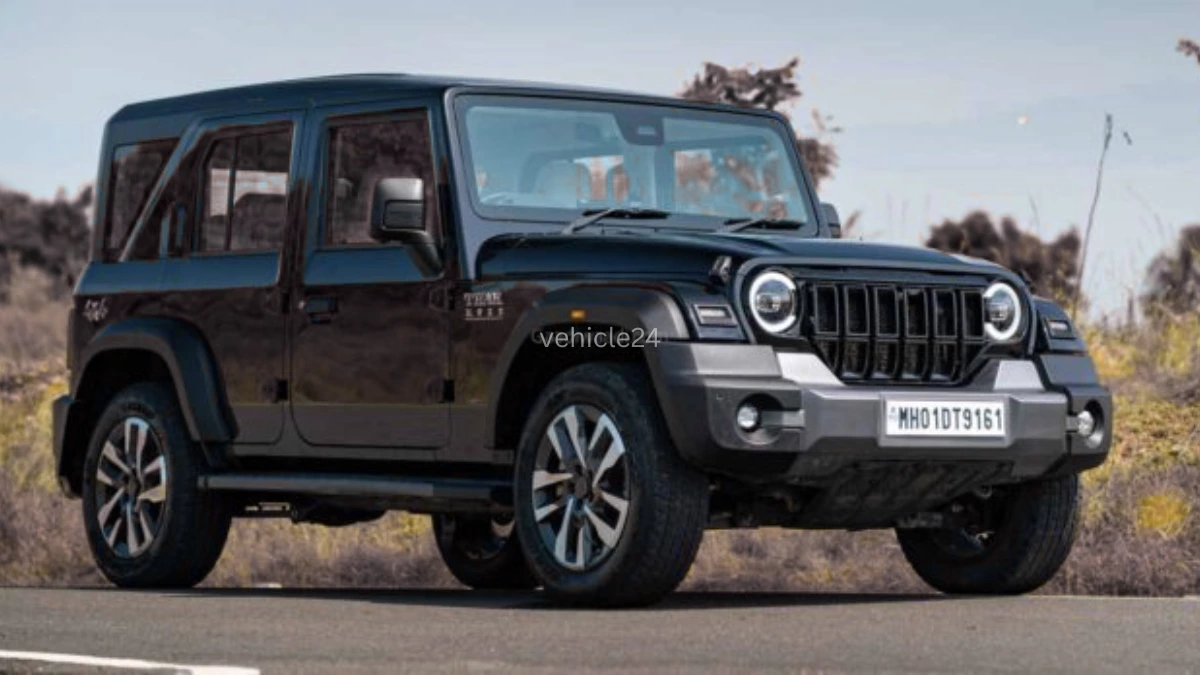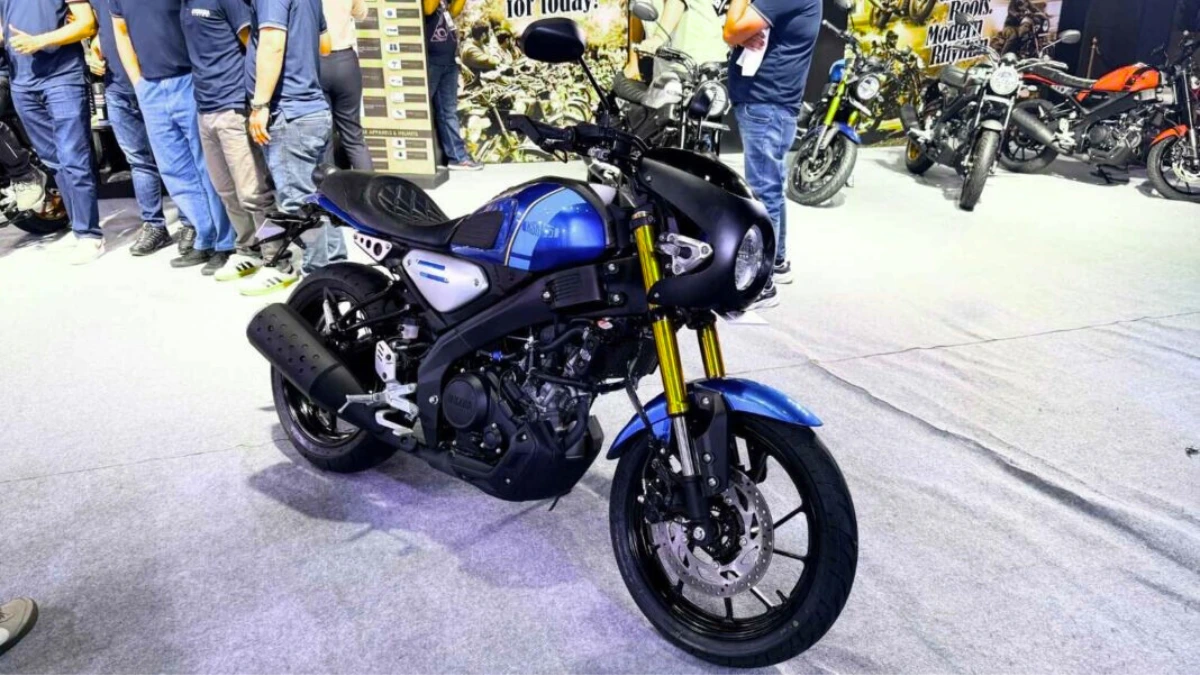
Yamaha has just rolled out the XSR 155 in India, setting its base price at Rs. 1.50 lakh before taxes. This stylish retro-inspired bike comes in just one fully equipped model and borrows its core structure from the MT-15 and R15 siblings. Although it lacks exact competitors, it goes head-to-head with the Royal Enfield Hunter 350 and TVS Ronin, both appealing to riders seeking that classic vibe within a comparable budget range. Here’s a fresh dive into how these three stack up on key specifications.
Pricing Breakdown
Among these options, the TVS Ronin kicks off as the budget-friendly choice with an entry-level tag of Rs. 1.25 lakh ex-showroom, though its premium version climbs to Rs. 1.60 lakh. The Royal Enfield Hunter 350 starts a bit higher at Rs. 1.38 lakh and tops out at Rs. 1.67 lakh ex-showroom, positioning it as the priciest in the group overall.
The Yamaha XSR 155 sticks to a solitary high-end configuration at Rs. 1.50 lakh ex-showroom. When stacking the fully loaded variants side by side, the XSR 155 emerges as the most cost-effective pick.
Powertrain Details
Driving the XSR 155 is a one-cylinder engine with liquid cooling, delivering 18.1 brake horsepower and 14.2 Newton-meters of maximum torque. In contrast, the Hunter 350 packs a 349 cubic centimeter unit cooled by air and oil, churning out 20.2 brake horsepower alongside a robust 27 Newton-meters of torque. The Ronin features a 225.9 cubic centimeter oil-cooled setup, rated for 20.1 brake horsepower and 19.93 Newton-meters of torque.
Standing out, the XSR 155 is the sole contender here boasting liquid cooling and a six-gear transmission. For raw size and output, the Hunter 350 takes the lead, with the Ronin trailing closely. On efficiency, Yamaha claims the XSR 155 hits about 46 kilometers per liter, while the Ronin edges ahead at 52.95 kilometers per liter.

Dimensions: Seat, Clearance, Tank, and Ride Setup
The Hunter 350 offers the lowest perch at 790 millimeters, ideal for those with shorter stature. The Ronin follows at 795 millimeters, and the XSR 155 sits tallest at 810 millimeters. For underbody protection, the Ronin shines with 181 millimeters of clearance, beating the Hunter’s 160 millimeters and leaving the XSR 155 at the rear with only 120 millimeters.
Fuel storage gives the Ronin an edge thanks to its spacious 14-liter reservoir. The XSR 155 has the smallest at 10 liters, and the Hunter 350 slots in between with 13 liters. Suspension-wise, both the XSR 155 and Ronin employ upside-down forks up front paired with a single rear shock. The Hunter 350 opts for a traditional approach, using standard telescopic forks ahead and dual shocks behind.
Also Read – India’s Hottest Mid-Size SUVs in October 2025: Creta Still Rules, New Victoris Shocks Everyone
Tech and Amenities
The Yamaha XSR 155 packs a punch with modern perks like a fully digital dashboard that connects to your phone via Bluetooth, a slipper-assist clutch, traction control system, standard dual-channel anti-lock brakes, and complete LED illumination throughout.
Over on the TVS Ronin, you’ll find selectable ABS settings for wet or city conditions, a glide-through feature for smooth low-speed maneuvers, a slipper clutch, a connected digital display, full LED lights, and additional conveniences. The Royal Enfield Hunter 350 keeps it straightforward with a part-digital gauge cluster, a quick-charge USB-C outlet, slip-assist clutch, an LED front light, dual-channel ABS, and an optional navigation module for trips.