The final month of 2025 is witnessing a significant shift in strategy from India’s top automobile manufacturers. In an aggressive push to clear existing stock before the new year, these brands are rolling out substantial discounts and purchase benefits specifically on their electric vehicle (EV) portfolios. This move comes as a direct response to a recent change in market dynamics that has cooled consumer enthusiasm for electric cars.
The Catalyst: A Policy Change That Rebalanced the Market
The root of this promotional wave dates back to late September 2025. During this period, a revision in the Goods and Services Tax (GST) structure was implemented, reducing the tax burden on vehicles with internal combustion engines (ICE) that run on petrol and diesel. This fiscal adjustment effectively lowered the showroom prices of conventional cars, eroding the upfront price advantage that had made electric models increasingly attractive to a broad segment of buyers. The narrowing cost gap between powertrains led many prospective customers to reconsider their options.
Widespread Discounts Across Mass-Market EV Brands
Unlike typical promotional campaigns focused on select models, the current discounting is extensive. Nearly every major volume carmaker has incorporated most of their electric offerings into these schemes.
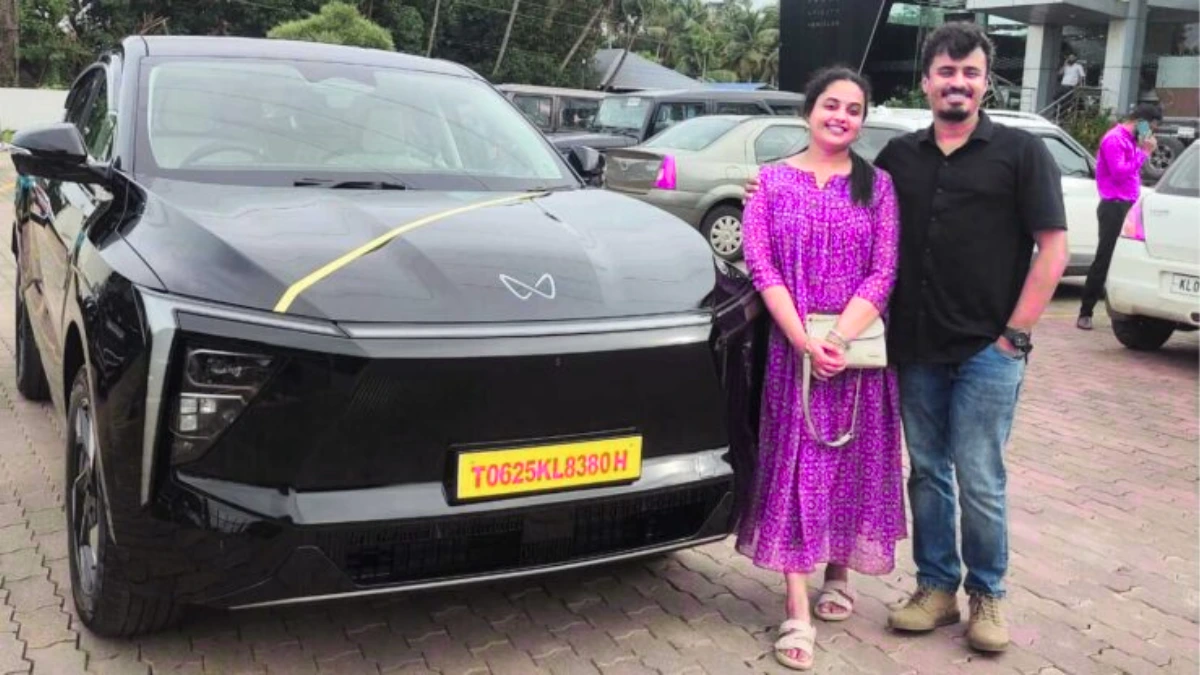
- Tata Motors and Mahindra, key players in India’s EV sector, are leading with some of the most pronounced offers. Benefits on models like the Tata Curvv EV and the Mahindra XUV 9e are approaching ₹3.5 lakh.
- Hyundai and Kia are also participating actively with attractive incentives across their electric lineups.
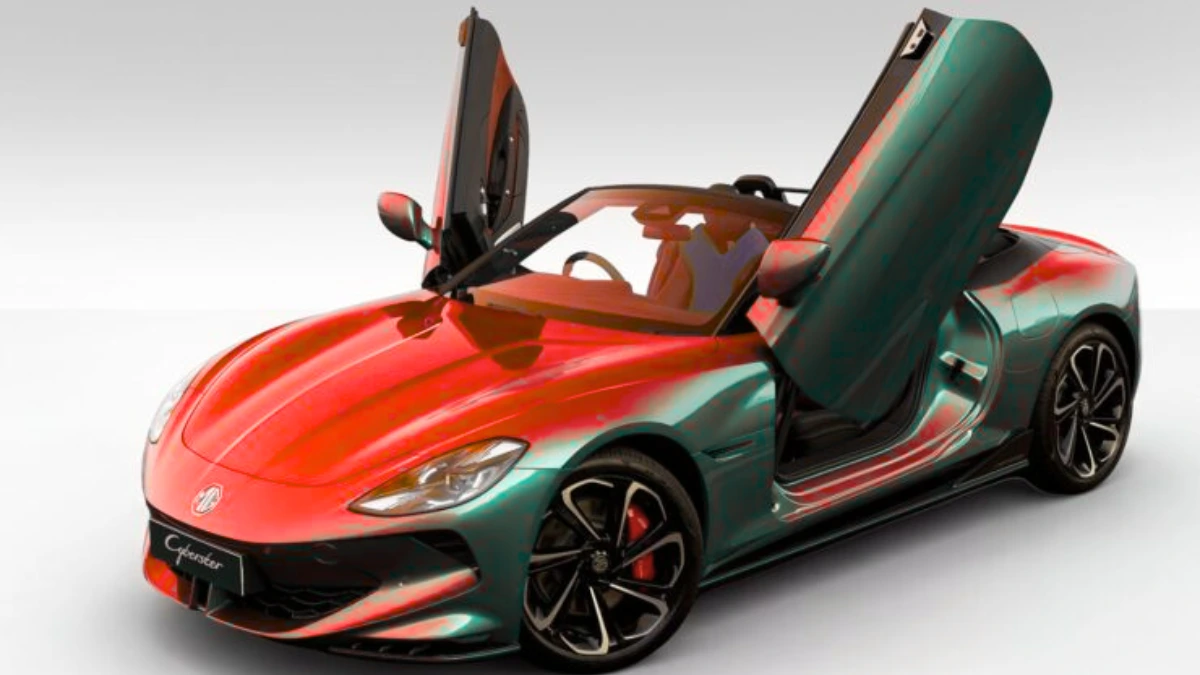
- JSW MG Motor has announced a dedicated “Mid-Night Carnival” sale, reducing prices by approximately ₹1 lakh on the Comet EV and around ₹1.35 lakh on certain variants of the ZS EV.
The Inventory Clearance Rationale
Automakers are strategically motivated to deplete their 2025 model-year inventory before introducing updated versions or new year models. This clearance is crucial for making space in dealerships and aligning production with the current demand reality. While November 2025 saw EV sales volume grow year-on-year, the overall share of electric cars within the total passenger vehicle market has contracted. After the GST revision, EV penetration fell from around 5% to roughly 3.7%, indicating that overall market growth is being driven primarily by conventional vehicles.
A Contrast in the Premium Segment
This trend of heavy discounting is largely confined to the mass-market electric vehicle segment. The luxury electric car domain presents a starkly different picture. Brands like BMW continue to operate with minimal discounts on their popular electric models. The BMW iX1, for instance, reportedly commands a waiting period of several months, indicating sustained demand that does not require promotional pricing support.
Also Read – December 2025 – Top SUV Deals Offering Massive Cash Savings Revealed
Looking Ahead to 2026
Industry observers note that this phase of price correction and inventory adjustment is a transitional period for the electric vehicle market. The focus is set to shift in the coming year, with several manufacturers preparing to launch a fresh wave of electric models across various segments in 2026. These new offerings will aim to reignite consumer interest with advanced technology, updated features, and competitive pricing in the new tax environment.